
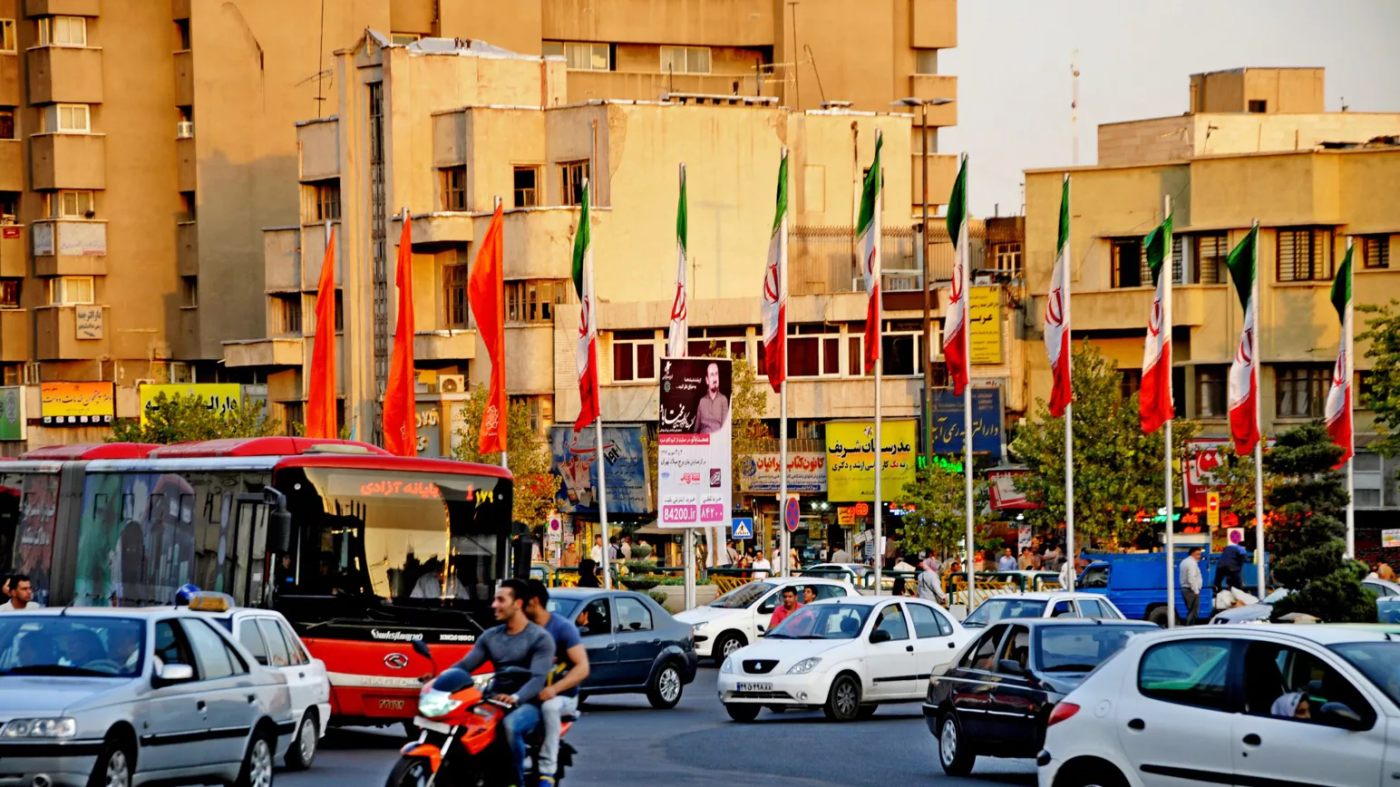
In Iran, where being gay can carry the death penalty and the idea of marriage equality is an abomination, gender transition-related medical care has long been a booming business serving locals and foreigners alike.
Part of the Islamic Republic’s expertise in the field comes from 40 years of forcing gay people to choose between transitioning and death.
But now, in a desperate search for currency in the cash-strapped country, the government is luring patients from around the world with steep discounts and luxury lodging, The New York Times reports.
Crippled by war and economic sanctions, Iran has launched a PR blitz promoting its expertise to a global audience, luring foreigners with trans-themed packages including budget-conscious surgeries, luxury hotel stays, and sightseeing tours.
Iran’s theocratic government has set a goal of generating more than $7 billion from medical tourism annually, according to Iranian state news media, a seven-fold increase over a year ago.
In addition to nose jobs and hair transplants, glossy brochures and a social media campaign are offering vaginoplasties, mastectomies, and penis constructions for a song.
“We handle everything from start to finish, providing the best medical services to ensure a stress-free experience,” said Farideh Najafi, the manager of two medical tourism companies. “This includes booking hotels, hospitals, transportation, and more.”
According to one operator, while the cost of comprehensive surgery in the U.S. could be “around $45,000, and in Thailand, it’s approximately $30,000,” patients can pay “less than $12,000” in Iran. A government hospital stay can go for as low as $4,500.
The cut-rate prices are luring patients from wealthier countries like Australia, the United States, and Europe, according to medical tour operators and surgeons, despite the dark backdrop to the country’s transgender expertise.
Many gay and lesbian Iranians who are not trans are “pressured into undergoing gender reassignment surgery without their free consent,” according to a United Nations Human Rights Council report issued in March, and the alternative can be execution.
Amnesty International says more than 5000 gay people have been put to death in the Islamic Republic since the Iranian Revolution in 1979. Public flogging is even more common.
A British Home Office report in 2022 found that roughly 4,000 people underwent transition surgery each year in Iran, compared to just under 13,000 in the U.S. in 2020, which has a population four times greater. The vast majority of patients come from inside Iran, experts say.
The extraordinary number has its basis in a fatwa issued by Ayatollah Khomeini, the founding supreme leader of the Islamic Republic. He declared in the 1980s that transgender individuals could gain legal recognition of their identifying gender on the condition that they underwent transition surgery.
The volume of surgeries has come with a questionable safety record. A 2015 U.N. report described botched procedures like “abnormally shaped or located sexual organs.” Some activists have likened the country’s gender clinics to “butcher” shops.
Raha Ajoudani, a 20-year-old trans woman and activist, fled Iran rather than submit to a forced transition.
“I never wanted to undergo gender reassignment surgery,” she said. “I’ve defined myself outside of this binary. I didn’t want to live according to the governmental definition of cultural expectations of being a woman or a man, nor did I submit to Khomeini’s fatwa.”
Eric, a 45-year-old trans man living in Canada, did take advantage of Iran’s expertise in the field, but acknowledged competing feelings over his choice and the plight of gay people in the country.
“I have heard a lot, especially among trans women, that because they are gay, and they cannot be gay in Iran, they try to do the surgery,” he said. “I’m really sad that gays and lesbians are not recognized in Iran, but on the other hand, I’m happy for trans people because they can do what they’re willing to do.”

 fleeredstates.blog
Leave a comment