
Read more at Metro Weekly.
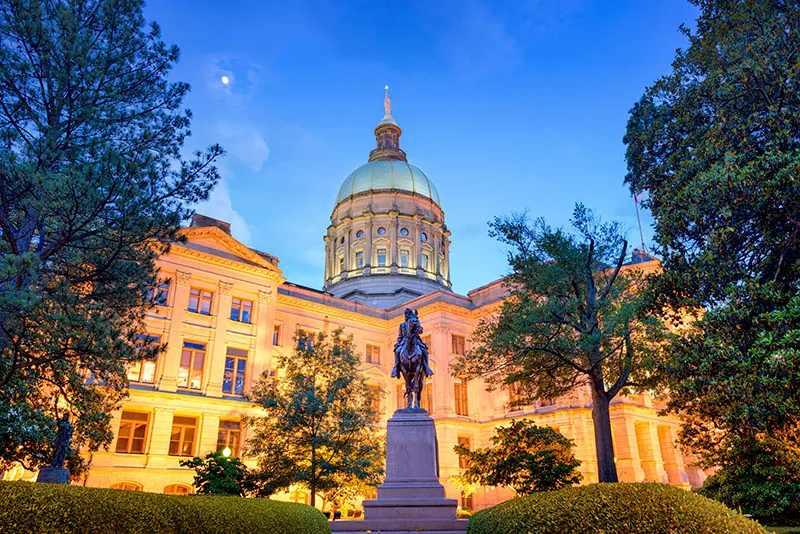
LGBTQ advocates in Georgia are celebrating a milestone after 15 bills targeting the LGBTQ community introduced during the 2026 legislative session failed to pass before the session ended on April 2.
“This session, we stopped every bill targeting LGBTQ Georgians, even in spite of underhanded political maneuvers,” Jeff Graham, executive director of Georgia Equality, said in a statement. “Thousands of Georgians from over 60 counties came together to successfully defeat every last one.”
The organization said it mobilized 2,500 Georgia residents to contact their legislators, with 400 traveling to the Georgia State Capitol in Atlanta in recent weeks to lobby lawmakers, testify against the measures, and, in some cases, protest efforts to advance policies targeting LGBTQ rights or visibility.
“Despite state leadership fixating on restricting LGBTQ+ rights as their core priority over the past years, we made it clear that scapegoating LGBTQ+ Georgians is not a winning political strategy,” Graham continued. “We believe that the tide is turning not just here in Georgia, but across the country.”
As reported by journalist Erin Reed on her Erin in the Morning Substack, the defeated measures included a bill — originally focused on home health care workers — that Republicans altered to push through a ban on puberty blockers; a bill to bar transgender students from using changing rooms or locker rooms that match their gender identity; and a bill that would have criminalized librarians who allow minors to check out books with LGBTQ characters or content.
Other bills that failed to pass this session included measures to further restrict access to gender-affirming care for transgender youth; to prevent state employee health plans from covering transition-related care, even for adults; and to force teachers to out LGBTQ students to their parents.
Additional measures included multiple bills further restricting transgender participation in sports; legislation to ban drag performances in public or places where minors might be present; and a bill to protect parents who do not wish to affirm their child’s gender identity from losing custody, while also allowing them to enroll their children in conversion therapy.
As Reed noted, the Georgia Constitution prohibits the legislature from meeting for more than 40 legislative days each year, meaning it will not resume for a regular session until 2027. While Republican Gov. Brian Kemp could call an emergency legislative session — a move other governors have used to push through anti-LGBTQ legislation on an “emergency” basis — he has not indicated any intention to do so.
 fleeredstates.blog
Leave a comment