Liberal And Moderate Candidates Take Control Of School Boards In Contentious Races Across US | AP News

This blog originally appeared at AP News.

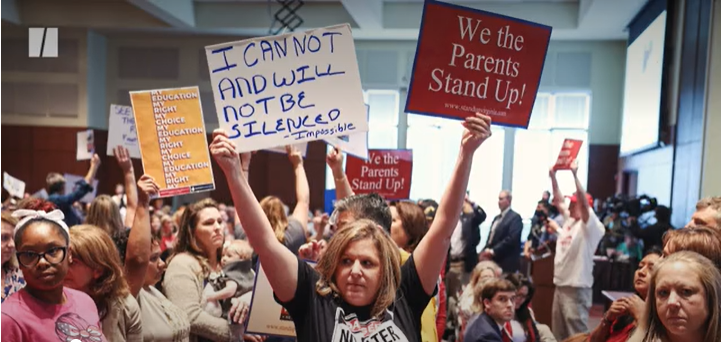
In recent local school board elections across the U.S., voters rejected conservative candidates advocating for book bans and limitations on discussions about race and gender in classrooms.

This photo provided by Mary Jo Carlson shows balloons attached to yard signs of four school board candidates who defeated Moms for Liberty-backed candidates in the Lin-Mar Community School District, located outside Cedar Rapids, Iowa, Wednesday, Nov.8,2023. Voters across the U.S. largely rebuked conservative candidates on Tuesday, Nov.7, in school board races across the country. (Mary Jo Carlson via AP)

In recent years, down-ballot elections have increasingly reflected national issues, with liberal and moderate candidates prevailing in key races across states like Iowa, Pennsylvania, and Virginia. The American Federation of Teachers reported that candidates endorsed by conservative groups like Moms for Liberty and the 1776 Project lost around 70% of their races in this week’s elections, a claim contested by those groups.

“They don’t want to engage in this banning of books or censoring of honest history or undermining who kids are,” Randi Weingarten, the teachers union president told The Associated Press on Wednesday, characterizing the candidates who won as “pro-public school.”

The 1776 Project reported a 58% success rate for their endorsed candidates, many in conservative areas. Moms for Liberty, operating in suburban swing districts, claimed a 40% success rate. In Pennsylvania’s York County, the 1776 Project’s PAC stated that 36 out of 37 endorsed candidates won. Conservatives secured control in Texas’ third-largest district, Cypress-Fairbanks, and made gains in Minnesota’s largest district, Anoka-Hennepin. Tina Descovich, a Moms for Liberty founder, noted that the recent elections brought the total of their winning candidates to 365 in the past two years.

Descovich emphasized the need for increased effort and investment in their candidates, highlighting the challenge posed by well-established political operations of teachers unions. School boards, although typically nonpartisan, play a crucial role in managing community institutions, influencing curriculum standards, negotiating with teachers unions, and setting property tax rates. In Pennsylvania, Democratic victories in school boards were notable, especially in districts where GOP-led boards adopted controversial policies affecting transgender students and LGBTQ+ history curriculum. Turn PA Blue reported Democrats gaining control of at least seven school boards and making progress in several others.

In the Central Bucks School District near Philadelphia, Democrats achieved significant wins, flipping three seats, including the removal of the incumbent school board president, and maintaining control of two others, securing a majority. Similar successes were observed in two other Bucks County boards. Contentious school board meetings in Central Bucks featured students reporting incidents of slurs, hate speech, and violence at school, prompting calls for the board to address the issues. Policies prohibiting the use of chosen names and pronouns without parental consent and promoting “neutrality” on LGBTQ+ topics stirred strong opinions and motivated voters for change, according to Bonnie Chang, chairperson for Turn Bucks Blue.

In Virginia, school board politics have been marked by controversy since 2021, following the election of Republican Gov. Glenn Youngkin, who emphasized supporting “parents’ rights” in education. Youngkin has criticized school boards restricting the disclosure of a child’s transgender identity to parents and is working to reverse accommodations for transgender students. In Spotsylvania County, on the outskirts of Washington, D.C., all four GOP-backed candidates were defeated by more liberal contenders. The conservative board in that county was among the first to implement Youngkin’s reforms, including removing 13 books from libraries, with some members suggesting they should be burned. One such member, Kirk Twigg, lost his reelection bid by nearly 25 points. Tamara Quick, a mother of five in Spotsylvania County, expressed relief about the election results, stating she would leave the county if the conservative board remained.

“I believe people truly understood the significance of education,” Quick remarked. She criticized the current board for lacking focus on education and being consumed with power struggles and unnecessary battles. “They were just worried about how many books they could ban,” she added.

In Loudoun County, another Virginia exurban area marked by two years of school board controversies, especially regarding policies for transgender students, candidates endorsed by Democrats secured victories or were leading in six out of nine school board races. However, two Democratic incumbents faced defeat or were behind.

Meanwhile, in Iowa, three candidates supported by Moms for Liberty experienced losses in a district outside Cedar Rapids, which had gained national attention for its support of transgender students.

The Linn-Mar Community School District race drew attention after the school board adopted a policy allowing students to request support for their gender identity without parental permission. Former Vice President Mike Pence rallied opponents before withdrawing from the 2024 presidential race.

Laws signed by Gov. Kim Reynolds limited transgender students’ bathroom use and banned gender-affirming medical care, rendering much of the policy unenforceable. Brittania Morey, reelected with support from those opposing Moms for Liberty-endorsed candidates, sees this as a rejection of the belief that public schools have a hidden indoctrination agenda.
By Outing 19 Students To Their Parents, Katy ISD Violated Texas Ethics Codes For Educators

This blog originally appeared at Houston Landing.

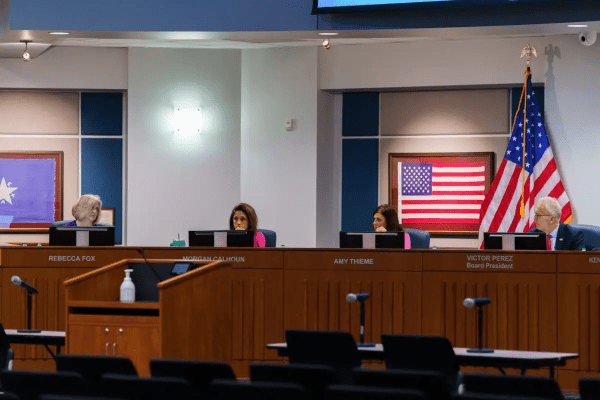
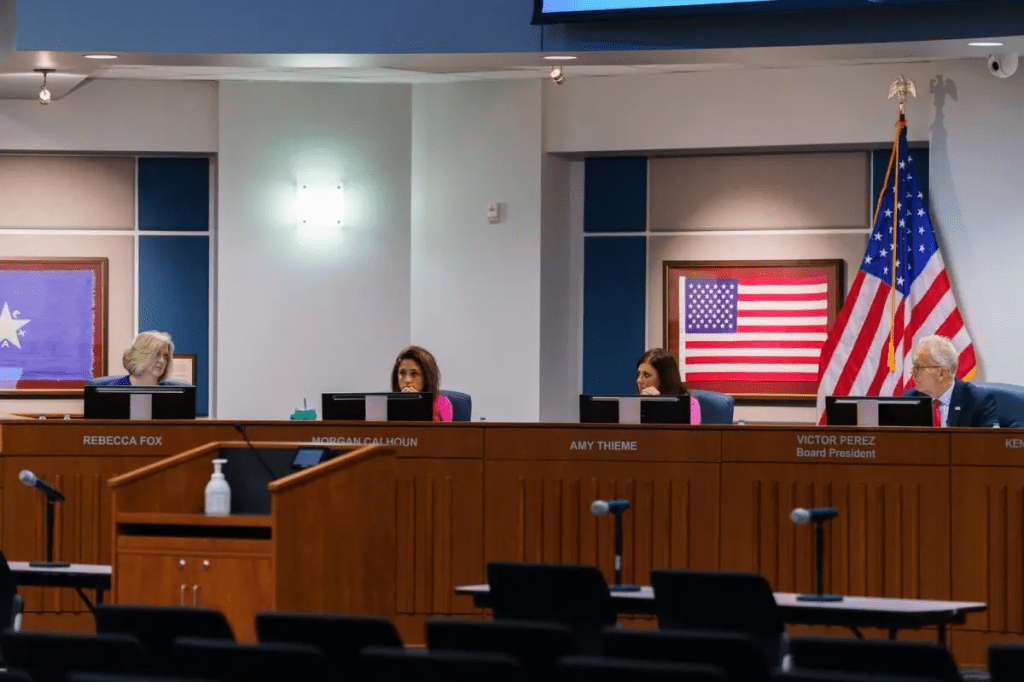
The Katy Independent School District’s choice to disclose information about transgender students to their parents is not just what an attorney labeled as “bullying in the guise of policy” — it also contravenes the code of ethics established by the Texas Education Agency.

In the previous week, Miranda Dunlap, my colleague at Houston Landing, reported that Katy ISD had contacted the parents of 19 students, notifying them that their child identifies as transgender or has expressed a desire to be addressed by a different name or pronouns at school. This figure, obtained by Dunlap through a public records request, averages about two children per week since August when the school board initially approved its policy mandating staff to inform parents in such instances.

As the school year unfolds, it’s probable that the tally will rise, causing more harm to these students. Some of them may have been exposed to families that might not affirm their identities.

“This policy, in particular, has a distinct and really dangerous set of harms,” says Chloe Kempf, an attorney at the American Civil Liberties Union of Texas. “We know that outing children against their will places them at risk of rejection, abuse in the home, and places them at an elevated risk of homelessness.”

This is not just rhetoric; it’s a factual statement. Approximately 12.5 percent of individuals aged 18 to 25 report experiencing homelessness at some point in their lives. However, the rate for transgender adults in the same age group is nearly twice as high, standing at 23.5 percent.

Another fact: People who experience homelessness at younger ages are more likely to be chronically homeless throughout their lives. 

Would you like another example? The Trevor Project, a suicide-prevention nonprofit for LGBTQ+ youth, reveals that LGBTQ+ youth facing housing instability and homelessness are over twice as likely to report depression and almost four times as likely to attempt suicide compared to those without housing instability.

In summary, disclosing a child’s transgender identity to their family can trigger a series of irreversible harms. According to Kempf, this constitutes a violation of the Texas Education Agency’s code of ethics, which mandates that an educator “shall not intentionally, knowingly, or recklessly treat a student or minor in a manner that adversely affects or endangers the learning, physical health, mental health, or safety of the student or minor.”

Moreover, Kempf emphasizes that “outing a student against their will unfortunately does all of those things.”

The TEA has not provided a response regarding how Katy ISD’s actions align with the agency’s policies, and Katy ISD’s spokesman, Craig Eichhorn, has not responded to my messages.

This silence is telling.

I queried Kempf about the potential that perhaps most of these students’ parents were already aware of their child’s identity. Could it be that the district did not breach TEA policy, as all 19 families might, in theory, be supportive.


The Trevor Project reports that 57 percent of parents would be accepting if their child came out as transgender or nonbinary. While this figure is higher than anticipated, it still means that over 40 percent of parents might not be comfortable.

“Logistically, I don’t see how it’s possible for the school district to be able to know with the required level of certainty that outing a student will not lead to abuse or neglect or other forms of harm in the home,” Kempf remarks. “There’s just no way of knowing that in advance of making a disclosure like this, which is why we believe that the policy as written is in violation of the law, no matter how it’s enforced.”

Indeed, the law. The ACLU argues that compelling the disclosure of a child’s gender identity to their parents violates the students’ privacy rights.

“It’s a risk, coming out to anybody,” says Carrie Rai, Executive Director of Tony’s Place, a nonprofit supporting LGBTQ+ youth in Montrose. “They come out in their trusted safe space, and I can’t tell you what that safe space is to an individual because it’s different for each person. And it should be that individual’s choice.”

Tony’s Place serves as a “safe haven” for LGBTQ+ youth under 25, offering resources like meals, laundry, gender-affirming clothing, showers, and case management. Rai notes that most of the youth they assist are homeless or living in unstable or unsafe conditions, and “family rejection is the number one reason” these youth end up without a safe and stable home.

It’s not immediately evident if Katy ISD is the first Texas school district to compel the outing of students. With over 1,200 districts in Texas, the ACLU can’t confirm such a claim. However, they are certain it’s the state’s largest district to take such action. The same week Katy ISD enacted its policy, California’s attorney general sued a school district near Los Angeles, seeking to prevent the district from enforcing a similar policy.

This scenario is unlikely to unfold in Texas, where the state’s leadership has shown considerable hostility toward transgender youth. In recent years, the state legislature has restricted life-saving, gender-affirming healthcare options for transgender youth and limited their participation in sports. Simultaneously, a wave of book bans has removed representative stories from school libraries, including in Katy.


“This is essentially bullying posing as policy – targeting an already marginalized group of young people in the state and making their lives even more challenging,” states Kempf. “Every aspect of life for these kids, being a student, being a healthy and successful student, is essentially under attack.”

The act of outing these kids is just the latest cruel step in a series of forced hardships. The fact that this happened to 19 children violates more than just ethics codes and laws; it violates a fundamental human code of what it means to be good and decent. Even if Katy ISD had sent home just one notification in the past two months, that would have been one too many.

This State Tried To Pass Anti-Trans Laws For Years. Then A Right-Wing Media Star Got Involved

This blog originally appeared at Huff Post.

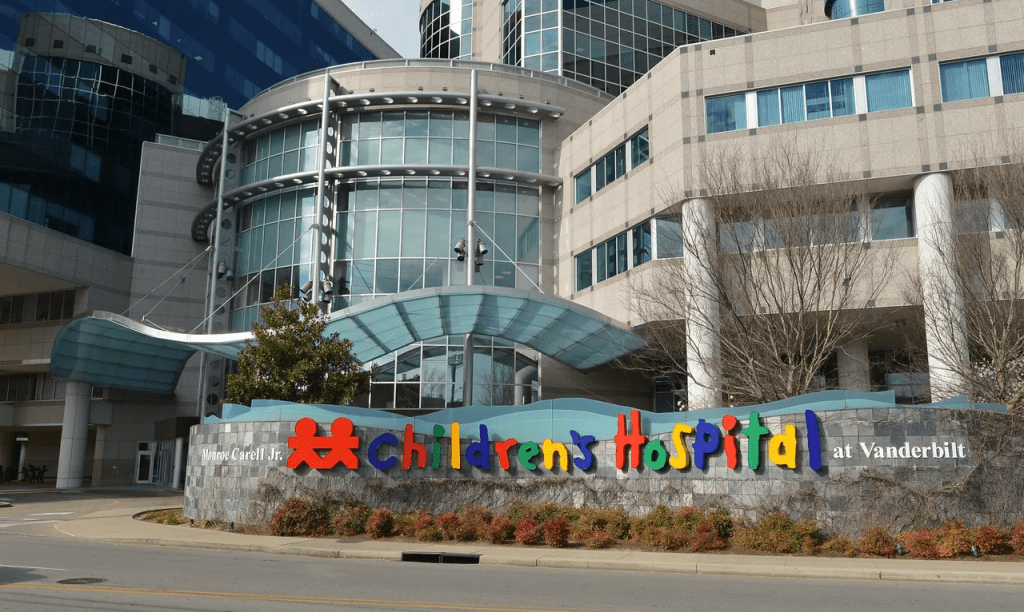
The Daily Wire’s Matt Walsh has set his sights on banning gender-affirming care for trans youth — and an attack on Vanderbilt’s transgender health clinic shows he’s succeeding.

Last September, Riley headed to their clinic at Vanderbilt University Medical Center, which was usually brimming with chatter about the day’s research and patient needs.

But that fall morning, Vanderbilt was thrown into chaos, and the clinic for gender-affirming surgeries, which serviced both trans youth and adults, had been shut down for the day. The health care worker, who is using a pseudonym in fear of retaliation from their employer, said the atmosphere among their colleagues in the trans health clinic was a mix of “fear and concern.”

Riley’s clinic remained open, and their colleagues debated whether they were safe at work or should go home. Riley said local police were lined up outside the medical center’s doors, serving as extra security for employees.

All day people whispered about the social media posts by right-wing blogger Matt Walsh, which had gone viral the day before for claiming that doctors at Vanderbilt’s transgender health clinic “castrate” and “sterilize” children.

At the time, Riley hadn’t heard of Walsh. They didn’t have social media and rarely watched the news.

But over the next year, Riley would witness firsthand — again and again — how misinformation and right-wing attacks on the transgender health clinic severely restricted the kinds of care they could provide at Vanderbilt. In those months, trans Tennesseans have felt more intimidated and desperate than ever, as they have been forced to decide whether to pack up their lives to find a place where they can exist without the fear of the government, or right-wing provocateurs, meddling in their private medical information.

One of the first changes Riley saw was Vanderbilt moving the stand-alone transgender health clinic inside the university’s main campus in Nashville, Tennessee. The clinic also adopted new security measures, including an armed guard behind the desk, and required patients and providers to be buzzed inside.

Riley said the medical center has even canceled appointments for certain surgeries for cisgender youth that currently do not fall into the category of gender-affirmation but that critics could see as “pathways to gender affirmation.”

By the end of September 2022, Tennessee’s attorney general, John Skrmetti, said his office had opened an investigation into Vanderbilt’s transgender health clinic. Over the next few months, Skrmetti broadened the scope, first requesting specific patient medical records, and then information on Vanderbilt employees and volunteers at the transgender health clinic. The following spring, Republican Gov. Bill Lee signed a ban on gender-affirming care for transgender children, effectively suspending all operations at VUMC’s pediatric transgender clinic.

Riley said they were one of more than a dozen clinicians who were told by Skrmetti’s office that their emails could be subpoenaed as part of the investigation.

“It feels like a witch hunt,” Riley told HuffPost. “What are you going to find in my emails? Obviously, there’s not a conspiracy here.”

‘That Is Why I Am Working With Matt Walsh’

In September 2022, Walsh, a prominent Nashville-based right-wing talk show host and blogger, accused Vanderbilt University Medical Center’s transgender health clinic of only existing to turn a profit. He also claimed that Vanderbilt doctors “castrate, sterilize, and mutilate minors.”

In a series of tweets, Walsh argued that the clinic was drugging and sterilizing children, and used language that LGBTQ+ advocates and Vanderbilt employees say grossly distorted the reality of pediatric transgender care. Walsh posted a video of one Vanderbilt doctor ― Dr. Shayne Taylor, who founded the clinic in 2018 ― discussing how gender-affirming surgeries, like double mastectomies and genital surgeries, could bring in “a lot of money” for the medical center. (In this video, Taylor, who did not respond to HuffPost’s request for comment, was mostly referencing surgeries for trans adults, as Vanderbilt never performed genital surgeries for minors.)

In another video Walsh posted, a different doctor cautions that employees who don’t want to treat transgender patients on the grounds of religious objections “probably shouldn’t work at Vanderbilt.” At the end of the thread, Walsh wrote that the clinic’s peer support group, Trans Buddy Program, was in fact a “gang of trans activists” acting as “surveillance in order to force compliance.”

Walsh tweeted later that evening that his “report” was just the beginning. “We are not going to let up,” he wrote. “We will shut this down.”

The next day, Vanderbilt released a statement refuting Walsh’s claims. “Vanderbilt University Medical Center is now the subject of social media posts and a video that misrepresent facts about the care the Medical Center provides to transgender patients,” the statement read. “VUMC began its Transgender Health Clinic because transgender individuals are a high-risk population for mental and physical health issues and have been consistently underserved by the U.S. health system.”

Walsh did not respond to a detailed list of questions for this story.

Click here to see full blog: https://www.huffpost.com/entry/matt-walsh-anti-trans-push-tennessee_n_653fd5e8e4b032ae1c9c0497?u2j&fbclid=IwAR1EOqsIA73rdrK7mFoVx7D6F-JoCJZWbDeJJDCw_4Oq5rlCQawxvRI33-A

Moms For Liberty’s School Board Takeover Attempts Fizzled Out On Election Day

This blog originally appeared at Yahoo News.

The outcomes of an election cycle, often seen as a precursor to the 2024 elections, spell trouble for the group’s extremely conservative platform.

Moms for Liberty, the far-right organization advocating for a conservative approach in public education, sought to gain control of school boards nationwide in Tuesday’s elections. However, their efforts to elect sympathetic candidates in school districts in Ohio, Pennsylvania, Virginia, and Iowa did not succeed.

The group gained national prominence in 2020 during the early stages of the COVID-19 pandemic, when conservative parents were vocally opposing mask mandates in schools. While they show less concern for conventional public school issues such as teacher retention and funding, Moms for Liberty advocates for anti-LGBTQ policies, including restrictions on transgender students’ bathroom use and the removal of books addressing racial justice or LGBTQ themes from school libraries. In recent years, members of this group have actively worked to influence school board elections nationwide, aiming to reshape U.S. public schools in line with right-wing evangelical ideals.

Despite some successes in smaller and rural districts, Moms for Liberty candidates faced significant challenges in suburban areas. The group’s performance in Ohio was particularly lackluster. In Hamilton County, which encompasses Cincinnati and has a population of over 800,000, just two out of eight Moms for Liberty-endorsed candidates emerged victorious. Similarly, in Franklin County, where Columbus is situated, only two of the group’s eight supported candidates secured wins.

In Stark County, which supported Donald Trump in both the 2016 and 2020 elections, Moms for Liberty’s performance was even more disappointing. Only one of their nine endorsed candidates emerged victorious.

Across the border in the swing state of Pennsylvania, Moms for Liberty endorsed numerous candidates in school board races. While some candidates in smaller, rural districts achieved success, the broader outcome showed more liberal or Democrat-backed candidates prevailing. In Bucks County, located outside Philadelphia, Moms for Liberty and other right-wing groups had been working to place conservative candidates on the school board in the Central Bucks and Pennridge districts. However, Democratic candidates won both races instead.

Even in traditionally Republican-leaning Iowa, Moms for Liberty faced disappointing results. The group endorsed 13 candidates across four counties, but only one candidate secured a win, and that was in a very small, rural district.

This outcome bodes poorly for Moms for Liberty’s aspirations of expanding its message nationwide in 2024. This year’s elections served as a significant indicator of what to anticipate in 2024, which is likely to feature a presidential rematch between Donald Trump and Joe Biden. Much has evolved since the last Trump-Biden showdown in 2020: the Supreme Court has rolled back federal abortion protections, a right-wing anti-LGBTQ+ agenda is gaining traction, and the teaching of topics related to race and racism in schools has become a deeply political issue.

Moms for Liberty’s lackluster performance in the elections suggests that the much-touted conservative “war on woke” might not be resonating with voters.

For instance, let’s examine the group’s performance in Loudoun County, Virginia, a place where MFL directed significant attention. This county had evolved into a nationwide symbol of how culture wars are influencing public education. The local schools faced considerable controversy starting in 2021 when a student was accused of committing sexual assault at two different high schools.

Conservatives made unfounded allegations that the accused perpetrator was transgender. These claims fueled right-wing rhetoric that infiltrated the school district, resulting in heated school board meetings. These confrontations received significant attention from right-wing news outlets and thrust the Virginia county into the national spotlight.

In the school board election held on Tuesday, all nine seats were contested, and despite Moms for Liberty endorsing four candidates, only one emerged victorious. Consequently, liberals secured a 6-3 majority on the county school board.

Moms for Liberty has garnered backing from prominent Republicans, including Virginia Governor Glenn Youngkin, who based his successful 2021 campaign on “parental rights,” and Florida Governor Ron DeSantis, who has been echoing right-wing culture war rhetoric in his pursuit of the White House.

Parental rights, which have largely centered on the right to control what children learn about sexuality or race at any age, appear to be the focal point that Moms for Liberty believes will lead to success for its candidates.

However, the actual policies advocated by groups like Moms for Liberty seem to be politically unpopular. While MFL often criticizes teachers as being “woke” or accuses them of inappropriate conduct, polling suggests that parents are generally content with their children’s schools. Additionally, despite MFL’s support for book bans and stricter limitations on teachers’ speech in the classroom, most parents oppose such measures.

Focusing on transgender students has been a central concern for many candidates endorsed by Moms for Liberty (MFL). However, despite divisions among Americans regarding gender-affirming care for transgender youth and transgender athletes participating on teams aligned with their gender identities, most voters disapprove of political attacks on transgender individuals, as indicated by polls.

Following an underwhelming performance from culture war candidates in both 2022 and recent elections, it’s evident that portraying public school teachers as adversaries and Moms for Liberty as the sole saviors of students is not the victorious strategy that MFL and other conservatives had hoped for.

Virginia Democrats win full control of the state legislature, AP reports

This blog originally appeared at NPR.


Virginia Democrats have successfully retained their hold on the state Senate and have managed to change the balance of power in the state House, further strengthening their influence over the state legislature. This outcome solidifies the landscape of divided government in the state.

Their legislative wins provide Democrats with a stronger hand pushing against the policy priorities of Republican Gov. Glenn Youngkin.

The entire 140-seat legislature was up for grabs. The elections received significant national attention, with prominent Democrats like President Biden and former President Barack Obama boosting their party with emails and robocalls.

On the Republican side, Youngkin’s political action committee poured significant cash into the campaign.

Although Virginia voters weren’t weighing in directly on abortion rights, the issue permeated the campaigns. The commonwealth currently acts as a southern refuge for abortion access in the wake of the U.S. Supreme Court overturning Roe v. Wade last year.

In one competitive district in Petersburg, voters said abortion was their top issue.

“Even though the other things are important – that’s more important than anything,” Wilma Nedrick told NPR on Tuesday.

Republicans, led by Youngkin, have been trying to recast their messaging on abortion, pushing a position they framed as a middle ground on the issue: a ban on the procedure at 15 weeks, with exceptions for rape, incest, and the life of the mother.

The DNC cheered Tuesday’s results, labeling them “a huge sign of Democrats’ continued momentum heading into 2024.”

Don Scott, the minority leader of House Democrats, told NPR Democratic candidates had “the message, the candidates, and the momentum to put a stop to the extreme Republicans’ agenda.”

Scott said the race has implications for 2024.

“I think this is a message that President Biden can take forward,” he said. “He’s won Virginia before. He’ll win Virginia again.”

The House will select its speaker on Saturday; Scott is the frontrunner. He would be the first Black speaker in the Virginia House of Delegates if elected.

These Are the Cheapest Places to Live for Digital Nomads

This blog originally appeared at Travel Plus Leisure.

It might be a good idea to consider adding Spanish to your list of languages on Duolingo.

In 2023, approximately 17.3 million Americans identified themselves as digital nomads, as revealed by a survey conducted by MBO Partners. If you’re interested in embracing the lifestyle of working and living from various locations, Omio, a travel booking website, has some recommendations for you.

Omio has recently published research disclosing the most affordable locations for Americans to work from overseas. This determination was made following a comprehensive analysis of various factors, including the cost of living index, rent index, safety index, mobility, internet speeds, and visa costs in different countries. The data was sourced from numbeo.com, Investopedia, Speedtest.net, among other reliable sources. After a thorough examination, the research team determined that Colombia is, indeed, the most economical destination for American digital nomads to work from abroad.

Colombia clinched the top position due to its abundance of coworking spaces, high-speed internet, low living costs, and the availability of a digital nomad visa. It’s important to note that obtaining this visa, which permits a stay of up to 24 months, comes at a price of over $600. Furthermore, those seeking a digital nomad visa for Colombia must demonstrate a consistent income of “at least 3 legal minimum wages during the last 3 months,” as per Colombia’s tourism office. (It’s crucial to understand that the digital nomad visa differs from a work visa; it doesn’t authorize work within Colombia but rather requires an income source from outside the country.)

Another compelling reason to contemplate a temporary stay in Colombia is its undeniable coolness. This sentiment isn’t ours alone. In Time Out’s 2023 Coolest Neighborhoods survey, Laureles, a neighborhood nestled in the heart of Medellin, was crowned the “coolest neighborhood on Earth” by the publication’s readers. Time Out described it as a laid-back yet quintessentially Colombian area in this vibrant city, renowned for its nightlife, exceptional parks, coffee culture, and yoga studios, making it a highly sought-after destination.

Regarding the top 10 destinations for digital nomads, Omio ranked Sri Lanka in second place, followed by Turkey, Bali, Argentina, Brazil, Malaysia, Ecuador, Vietnam, and Namibia. Of course, as a digital nomad, you have the flexibility to explore multiple destinations, so why not consider spending a few months in each of these captivating places?

5 Reasons Why Digital Nomads Are Flocking Into This Sunny European Country

This blog originally appeared at Travel Off Path.

Digital nomads are returning to Europe in large numbers now that the continent has not only lifted their years-long entry restrictions but has also introduced new, simplified migration routes for this group.

Spain is one of the countries embracing the digital nomad trend, transforming from a traditional summer destination into a year-round hub for mid to long-term remote work.

Spain Is One Of Europe’s Main Digital Nomad Hotspots

Spain, the largest country on the Iberian Peninsula, stands as Europe’s warmest region and boasts a rich history that spans millennia. Its cultural influence is known worldwide.

This nation once ruled an expansive empire, reaching from its European heartland to the Western shores of the American continent. Even if you’ve never set foot in Spain, you’ve likely encountered its language, savored its rich cuisine, and moved to its vibrant music.

Spain is what we term a ‘soft’ power, signifying that it has wielded cultural influence across the globe for centuries. Beyond its popularity as a tourist destination, why is it now quietly emerging as a leading choice for digital nomads?

Spain Boasts A High Quality Of Life

To begin with, Spain was found to have one of the highest quality of life indices when compared to many other countries, as confirmed by Expat Insider last year.

Expatriates, which includes long-term nomadic residents, hold a strong preference for Spain’s culinary and dining options, with 91% of them expressing approval for the country’s food scene and cultural offerings, as well as its vibrant nightlife. Spain also excels in recreational activities, with over 90% of expats enjoying these opportunities. Furthermore, more than nine out of ten expats are satisfied with Spain’s weather, particularly in regions like Andalusia, where summer and fall-like temperatures persist well into winter.

Digital Nomads Are Happy With The Infrastructure In Spain

Moreover, digital nomads express great satisfaction with the robust infrastructure and diverse services available in Spain. These range from affordable healthcare to a multitude of coworking spaces and reasonably priced housing options away from the tourist hotspots.

Unlike the United States, Spain operates a publicly funded healthcare system that is accessible to all its nationals and legal residents, encompassing expatriates residing in the country. However, nomads are typically mandated to secure health insurance since they cannot be employed by a Spain-based company or access social and health services while residing in the country as long-term tourists.


Nevertheless, individuals who choose to apply for a visa and establish formal residency in Spain have emphasized the appeal of the country’s welfare state.

Spain Is Incredibly Safe

Moreover, Spain maintains a relatively high level of safety when compared to other European countries such as France or England. Although pickpocketing is a common concern in urban areas, the rates of violent crime and assaults are relatively low. Additionally, the occurrence of terrorist attacks, a major concern amid rising tensions in the Middle East and the overspill of conflict in Europe, is less prevalent.

While they stroll along the boardwalk or work from a cozy cafe while people-watching, nomads can be confident that they are rarely targeted by thieves for their belongings.

Believe It Or Not, Spain Can Be Affordable To Live

According to NomadList, the largest online community for digital nomads, some of the most affordable cities for remote work include Las Palmas de Gran Canaria, with average monthly expenses around US$1,979, Malaga at US$2,809, and Seville, the capital of Andalusia, with expenses averaging US$2,840.

Spain is not as budget-friendly as some Balkan or very low-cost Eastern European destinations. However, cost-conscious nomads will find that it can be a reasonably affordable home base, particularly because consumer prices are not excessively high. For instance, a meal at an inexpensive restaurant in Seville is around US$11.63, and rent can be as much as 57.6% cheaper than in other Western European cities like Paris or London. This cost advantage, however, does not apply to cities like Madrid or Barcelona, which are among Spain’s most sought-after, touristy, and thus more expensive places to live.

Spain Has A Digital Nomad Visa

You have various options for planning your move to Spain, which depend on the duration, circumstances, and your individual situation. Americans can visit Spain, as well as the wider Schengen Area, for up to 90 days within any 180-day rolling period without a visa. After this period, they must leave for an additional 90 days before being eligible for reentry.

Individuals opting to spend temporary periods of up to 90 days at a time in Spain will do so as tourists. They will need to leave the Schengen Area after these periods have expired and either wait for the 90-day clock to reset in a non-Schengen country (like Albania or Montenegro) or return to their home country.

For those aspiring to establish stronger ties in Spain and make it their permanent residence, a different approach is necessary. Obtaining a visa in advance is required to extend your stay beyond the allotted 90 days. Spain has introduced its Digital Nomad Visa, which comes with specific requirements.

Applicants must demonstrate their financial capability to support themselves while working remotely in Spain by showcasing a minimum monthly income. They are also required to secure health insurance that covers their entire stay and provide a clean criminal record, along with other necessary documentation.

The Spanish Digital Nomad Visa (DNV) allows individuals to stay in Spain, as well as the Schengen territory, for durations longer than the standard 90 days at a time. This privilege continues until their one or two-year visa reaches its expiration date, or until they opt to apply for an extension.

‘Work to live, not live to work’: Why Americans are leaving to become digital nomads in Mexico

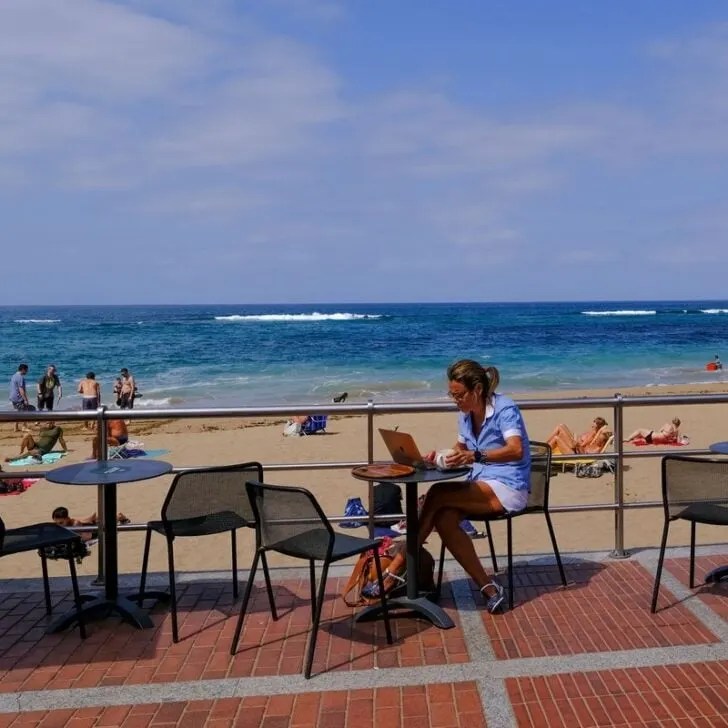
Does the idea of logging into your remote job from a beach in Mexico sound like a dream come true? For a growing number of individuals from the United States, it’s becoming a reality.


Approximately 17.3 million Americans have embraced the digital nomad lifestyle, where they merge remote work with travel. With the arrival of cold weather in the United States, the appeal of beachy destinations and vibrant, warm cities in Mexico and Latin America has grown, especially for those with the freedom to work from virtually anywhere.

The population of digital nomads is projected to increase, continuing the trend of recent years, and this is making the lifestyle of working from the beach more accessible than ever for millions of American workers.

Mexico is one of the most popular destinations for US remote workers

Although the concept of remote workers integrating travel into their online jobs is not a recent development, the digital nomad lifestyle gained significant momentum in 2020.

According to MBO Trends, the number of remote workers embracing online work alongside travel has surged by 133 percent since 2019. As domestic and international travel gradually resumed, many new online workers were captivated by the allure of travel and chose to make it a permanent part of their lives.

Remote workers frequently opt to embark on these journeys in pursuit of more favorable climates, lower living costs, and an enhanced work-life equilibrium.

“Digital nomads seek to ‘work to live’ rather than ‘live to work,'” states Edna Gutierrez, Marketing Director of the Tourism Board of Mazatlán, one of the Mexican cities that has warmly embraced a wave of new remote workers from North America in recent years.

Mexico has emerged as a highly sought-after destination for US remote workers on the move. The US State Department approximates that 1.6 million Americans reside in Mexico, with a significant number of them living there temporarily as digital nomads.

This trend is so substantial that in 2022, Airbnb collaborated with Mexico City to establish a program tailored to the city’s expanding digital nomad community. Airbnb also noted that long-term stays booked through their platform had surged by nearly 90 percent in 2022 compared to 2019.

Why do American digital nomads choose Mexico?

Jessica Bishop, the creator of The Budget Savvy Bride, has spent months working from Playa del Carmen, a scenic beach town located on the Yucatán Peninsula, for several consecutive years.

“The city is incredibly walkable, boasts stunning beaches, and offers reliable internet services and infrastructure, simplifying the transition,” she comments. “We can source virtually anything we need through Amazon Mexico, and there’s even a Walmart and Sam’s Club in town.”

Moreover, Mexico’s visa options are an added benefit, making extended stays straightforward and providing yet another compelling reason to opt for Mexico.

As remote workers continue to realize how seamlessly they can embrace this distinctive lifestyle, combining online work with travel in picturesque destinations, estimates regarding the surging number of US digital nomads appear to hold true.

Mazatlán is a hub for digital nomads

One increasingly favored haven for remote workers from the US is Mazatlán, a smaller yet dynamic city nestled along the golden shores of Mexico’s Pacific Coast. While it might not bear the immediate recognition of Mexico City or Playa del Carmen, this anonymity forms a key part of its appeal to remote workers.

Edna Gutierrez elaborates, “Mazatlán currently accommodates a thriving community of Americans and Canadians who have chosen Mexico as their residence. They stand as a testament to the idea that in Mazatlán, anyone can live and work contentedly. It’s akin to being on a perpetual vacation, relishing the privileges of a tourist while dedicating a few hours to work… [Mazatlán] is open to foreigners seeking a pleasurable life.”

In contrast to other locales that have witnessed surging rent prices and rising living costs in recent times, the cost of living in Mazatlán remains notably affordable. Its serene 20-kilometer coastal promenade, pristine beaches, delectable regional cuisine, and manageable size present a lifestyle that many remote workers could only dream of back in their home countries.

Moreover, Mazatlán boasts a robust infrastructure catering to remote work, boasting modern, dependable telephone and internet systems, including the 5G network and fiber optics.

Edna Gutierrez emphasizes, “This incredible infrastructure and services, on par with any other Mexican beach destination, are both crucial and welcoming for North American citizens considering extended stays in Mexico.”

Situated centrally and well-connected to other regions, Mazatlán offers added appeal for remote workers looking to explore the wider country while enjoying an extended sojourn in this beachside haven.

Where else do digital nomads go in Mexico?

Mazatlán is not the sole haven for digital nomads in Mexico, as an increasing number of remote workers are gravitating toward major urban centers like Mexico City, as well as beachside locales such as Tulum and Playa del Carmen.

The surge of digital nomads in Mexico City has become so pronounced in recent years that it constitutes a significant portion of the city’s annual tourism revenue. According to Bloomberg, data from 2021 indicates that remote workers contributed a substantial economic impact, amounting to nearly $523.4 million (€496.2 million) within a year. This figure represents 15 percent of the total tourism earnings reported by the city during that year.

However, for remote workers intent on turning the “work from the beach” dream into a reality, smaller coastal cities like Mazatlán remain a prime choice.

Are You a Homebuyer Worried About Climate Risks?

Are you contemplating your first home purchase? If so, understanding the motivating factors that led others to take the plunge can provide valuable insights. As per a recent survey conducted by PulteGroup among first-time homebuyers:

“When inquired about their recent first-time home purchase, the response was straightforward: they did so because they wanted to. For 72% of respondents, the primary motivation was either the desire to end their renting cycle or the realization that homeownership represents a wise financial investment.”

While the survey focused on first-time homebuyers acquiring newly constructed properties, the same sentiment holds true for nearly anyone purchasing their initial home. Here’s additional information to consider these two advantages of homeownership and assess whether they are pivotal factors for you as well.

When You Buy a Home, You Have More Stability than When You Rent

If you’re a renter, you might be inclined to end your renting journey due to the continual increase in rents. Rental agreements often come with the potential for higher payments each time you renew.

Conversely, when you purchase a home with a fixed-rate mortgage, your monthly housing expenses remain consistent throughout the loan’s term. This predictability can offer a sense of security that renting simply can’t match. Real estate journalist Jeff Ostrowski elaborates on this:

“Considering the current market conditions, many young households may opt for renting in the short term, as the cost of homeownership, excluding potential house price appreciation, has clearly risen. However, when factoring in house price appreciation as a part of the cost of homeownership, the decision of whether to rent or buy will hinge on the location and whether a home is projected to become more or less expensive in the near future.”

In essence, renting doesn’t enable you to accumulate equity. Conversely, homeownership can enhance your net worth as your home’s value increases. This is a substantial advantage that’s absent when you choose to continue renting.

In light of this, it might be more financially prudent to purchase a home. The majority of experts forecast that home prices will maintain a steady appreciation over the next few years, following a more typical market pace. So, when you make the decision to buy a home, you’re not only securing a place to live, but you’re also making a sound investment in your financial future.

Bottom Line

If you’re ready, it can be a smart move to buy your first home instead of renting. Let’s connect so you can stabilize your housing payment and start building wealth for your future.

Indeed offers trans employees $10,000 to relocate to safer states

This blog originally appeared at Pink News.

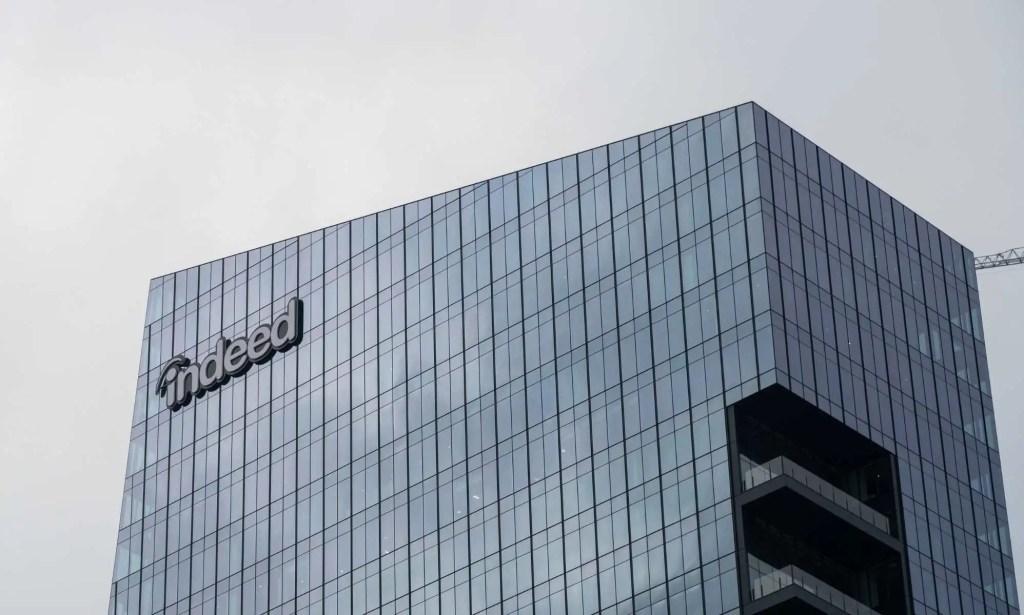
Job search platform Indeed has launched a new $10,000 payment scheme for their transgender employees to help them relocate to safer areas in the United States.

Amidst the increasing polarization in the United States regarding transgender rights and healthcare, along with the enactment of laws and policies in certain states that significantly affect the LGBTQ+ community, specific organizations and corporations are beginning to take a stand.

Although Indeed Inc. introduced this initiative to support transgender employees in July, it has only recently become public knowledge, as reported by Bloomberg.

Under this initiative, transgender employees or employees with transgender family members in their immediate household will be eligible for a $10,000 payment. This financial assistance is intended to facilitate their relocation to states that still provide gender-affirming care and are generally more inclusive and accepting of individuals seeking such care.

One employee, Sam Burger, disclosed to the publication that they promptly utilized the initiative as soon as it was introduced by Indeed Inc.

Burger, aged 30, who prefers they/them pronouns, holds the position of senior content creator at the company. They made the decision to utilize the funding to depart from their hometown in Austin, Texas, and establish their new residence in Denver, Colorado.

Upon learning that they would receive the financial support, Burger described the experience as a profound relief, sharing their sentiments with Bloomberg.

Since their move to Denver, accompanied by their dog and two cats, Burger has noted a significantly more welcoming atmosphere and has found local medical services to be much more accommodating compared to their previous experiences in Austin. They have expressed their intention to pursue gender-affirming surgery and hormone therapy in the near future.

Burger is one of the few employees who have participated in the program thus far. Other LGBTQ+ employees, particularly those residing in Texas and Florida, have conveyed concerns about their prospects in those states.

Misty Gaither, Indeed’s VP of Diversity, Equity, Inclusion, and Belonging, explained that the company has been collaborating with a business resource group for LGBTQ+ employees to determine the most effective response to the increasing number of states passing laws restricting LGBTQ+ healthcare.

Indeed conducted a survey earlier this year, which revealed that 62 percent of transgender individuals felt compelled to manage their identity while at work, with 38 percent experiencing pressure to conceal their identity altogether. Furthermore, 57 percent believed it was important for their employer to provide LGBTQ+-specific benefits, yet only 23 percent reported having such benefits in their current employment.

By extending a $10,000 payment to concerned employees, the company is aligning with its $10,000 annual reimbursement limit for employee travel expenses incurred outside of the state for medical purposes.

Indeed Inc. will cover any resulting tax liability arising from this payment, as it is regarded as income, according to Gaither.

The company, headquartered in Texas, acknowledges that this new initiative may face potential public, stakeholder, or state official backlash.

Nevertheless, Indeed appears prepared to handle any potential criticism or opposition.

Additionally, Indeed is not the sole company making efforts to support its transgender employees.

Intuit has introduced a similar relocation payment program for its employees, while Netflix and Amazon offer reimbursement of up to $10,000 for travel expenses associated with out-of-state healthcare.

Starbucks offers coverage for gender-affirming care for transgender employees and assistance in locating appropriate healthcare providers, while Meta aims to facilitate access to gender-affirming care for its employees and their dependents through its employee benefits package.

Although these initiatives represent a modest beginning, they have the potential to be profoundly transformative and even life-saving for LGBTQ+ employees. Hopefully, this trend will continue to gain momentum.

As Denver resident Sam Burger aptly puts it, “Individuals desire to work for a company they perceive as taking care of its employees.”

Blog at WordPress.com.

Up ↑