
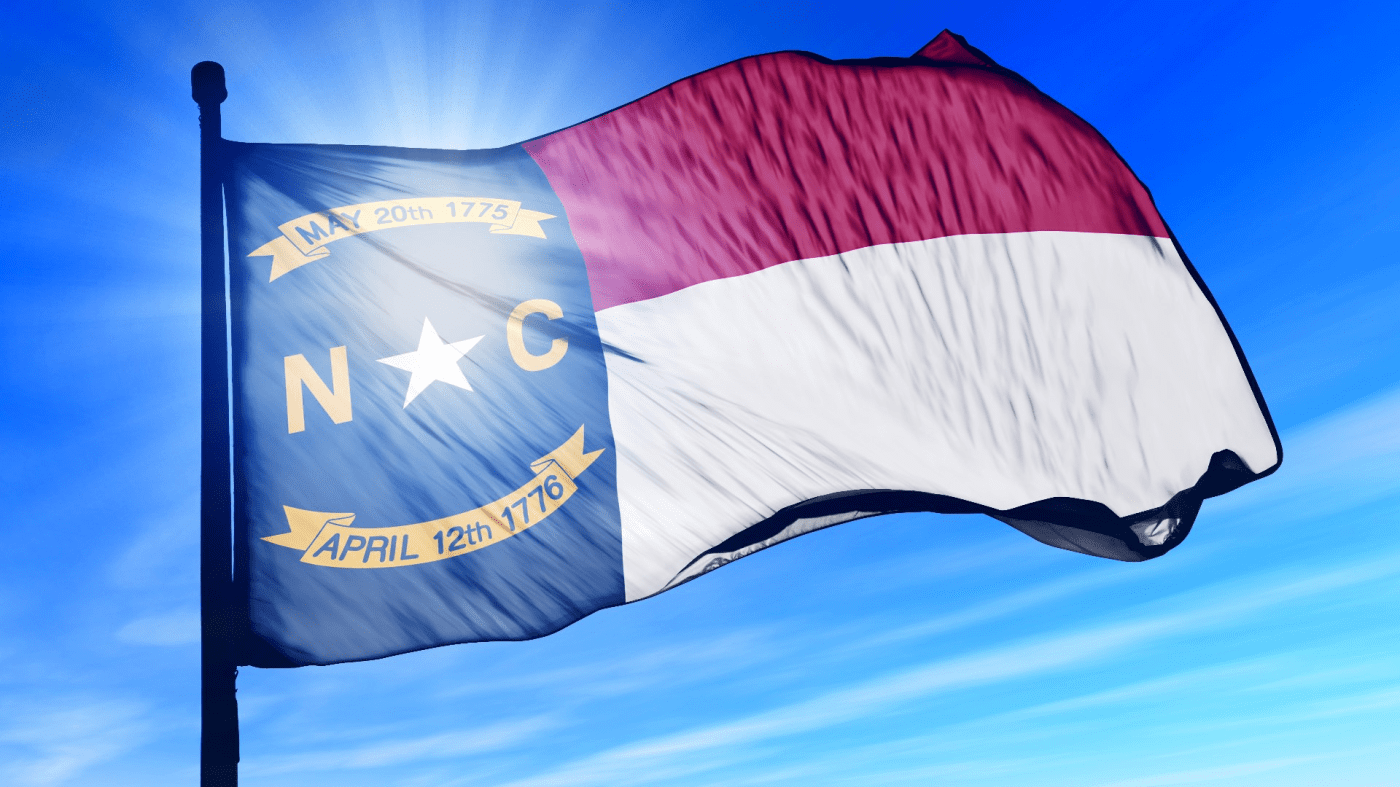
*This is being reported by WFMY 2.
A new bill introduced in the North Carolina Senate would significantly restrict transgender rights, drawing parallels to the controversial House Bill 2 from 2016 that sparked nationwide debate and economic backlash.
Senate Bill 516, filed by Sen. Vickie Sawyer from Iredell County and Sen. Brad Overcash from Gaston County, would require transgender individuals to use the bathroom or locker room of their biological sex in public schools and prisons.
However, the bathroom rules aren’t as extensive as House Bill 2. Some institutions that receive government funding, such as domestic violence shelters, would be impacted, but many government buildings would be exempt. It would also allow individuals to sue facilities if they believe these rules have been violated.
Senate Bill 516 also goes a step further, defining sex strictly as male and female and preventing individuals from changing their birth certificates or driver’s licenses after gender reassignment surgery.
The controversial 2016 bill, House Bill 2 was often referred to as the “bathroom bill.” However, former North Carolina Gov. Pat McCrory said that was a misleading description that he hopes is changed this time around.
“It’s much more complex than that. We’re dealing with locker rooms and showers and women’s sports and fairness and even security regarding what your driver’s licenses say,” McCrory said. “It’s a very complex issue. It’s a very emotional issue.”
McCrory acknowledged that many cite this controversy as the reason he narrowly lost his reelection campaign in 2016. It put North Carolina in the national spotlight due to the nationwide boycotts that followed, leading to an estimated $3.76 billion in economic losses. The law was partially repealed after a letter signed by more than 200 CEOs pushing for the change.
In the time since, many other states have passed similar legislation without such sweeping boycotts. McCrory said the companies owe North Carolina an apology.
“PayPal, Bruce Springsteen, Ringo Starr, you name it. And frankly, I think a lot of them owe North Carolina an apology,” McCrory said. “I don’t think corporations are ever going to get involved in this issue again, because public opinion now has turned, although it is still an extremely complex issue, and we ought to have good dialogue on it.”
Critics still worry this bill will cause an uptick in discrimination against the LGBTQ+ community, especially transgender youth.
Time Out Youth, a Charlotte-area nonprofit that provides support for LGBTQ+ kids and young adults including housing and mental health counseling, says it’s already seeing a steep increase in need.
“We saw more new young people last month than we’d seen all of the previous year in one month,” spokesperson Elissa Miller said.
While they are not able to comment on this specific bill, Miller says this is a reminder of what transgender youth are facing right now.
“Being a queer young person right now is very difficult,” she said. “Their very identities are kind of under debate, in the spotlight. Decisions are being made about them, without them.”
Equality NC also sent WCNC Charlotte a statement, saying in part: “We were disheartened to learn of yet another attack on our transgender community — this time in the form of SB 516.”
McCrory says he expects this version of the bill to face less scrutiny and hopes the people on both sides of the debate can avoid it as well.
“My family and I got a lot of physical and verbal threats during that three-month period, and it was not right, and I wanted to have good conversation,” he said. “It’s not time for anyone to spike the ball saying we were right 10 years ago. It’s time for respect and dignity.”
The bill’s sponsors did not immediately respond to requests for comment.
 fleeredstates.blog
Leave a comment